• About ALAEQ

Chemical Ecology

Chemical Ecology deals with the chemistry of biotic interactions, that is, the structural, mechanistic and evolutionary aspects of the study of chemicals that mediate interactions among organisms. This area of research is necessarily interdisciplinary, integrating among other disciplines, the fields of ecology, analytical and synthetic chemistry, molecular biology, entomology, pest management, behavioral ecology and neurobiology.

History

The association was formalized during the 6th Brazilian Meeting of Chemical Ecology (held from December 1-4, 2009 in Viçosa, MG). The minutes of the founding act can be accessed here (Portuguese version only). The bylaws which were approved by the General Assembly held during the 1st ALAEQ meeting in Uruguay in october 2010, can be downloaded here (Spanish version).

The Association met for its second ALAEQ meeting in 2012 in Córdoba, Argentina, and again last year in Bogotá, Colombia. Both meetings were highly succesfull, both academically and socially, with 120-150 participants and excelent academic programms. Before each meeting (2nd and 3rd), online elections were held to partially renovate the board, and the executive board as well as the general assembly of members met during the meetings.  The next meeting will be the first joint ALAEQ-ISCE meeting, which will be held in Foz de Iguazú, Brazil.

Vision

The purpose of ALAEQ is to promote the interactions between scientists of the subcontinent, who are dedicated to the study of the role of naturally occurring compounds which mediate interactions between organisms and their environment. Research areas include the study of structure, function, synthesis and biosynthesis of natural products related to organisms, their importance at all levels of ecological organization, their evolutionary origin and their practical application.

The formation of ALAEQ is another step towards establishing Chemical Ecology as an important part of the Latin American science. To reach this goal, we wish not only to strengthen the interaction between Latin American researchers, but also need to rely on contacts with scientists from outside the subcontinent. There is a myriad of problems in Latin America which are waiting to be studied with Chemical Ecology tools, and consequently there is much space for existing and future collaborations. ALAEQ intends to be a platform for regional collaborations and a bridge into the subcontinent for ISCE and APACE members.
Board

Current (2025-2027) members of the Executive Board

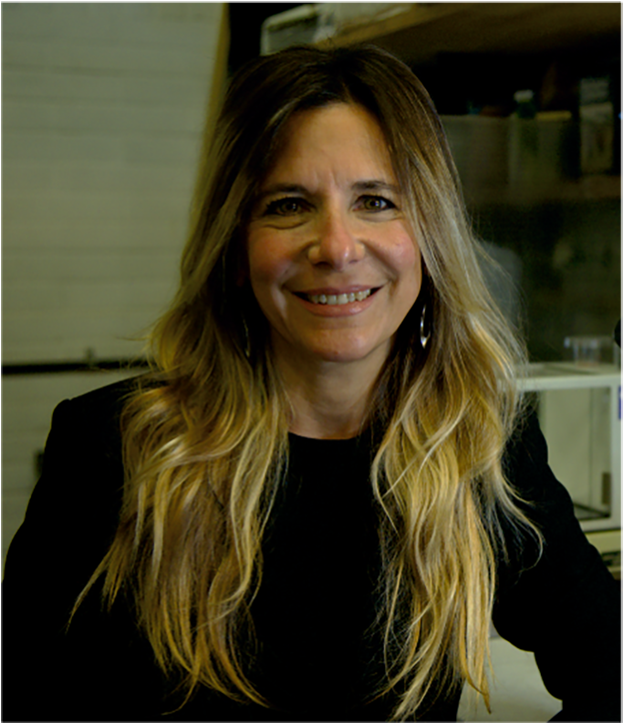
Romina Barrozo (Argentina)

President

(president@alaeq.org)

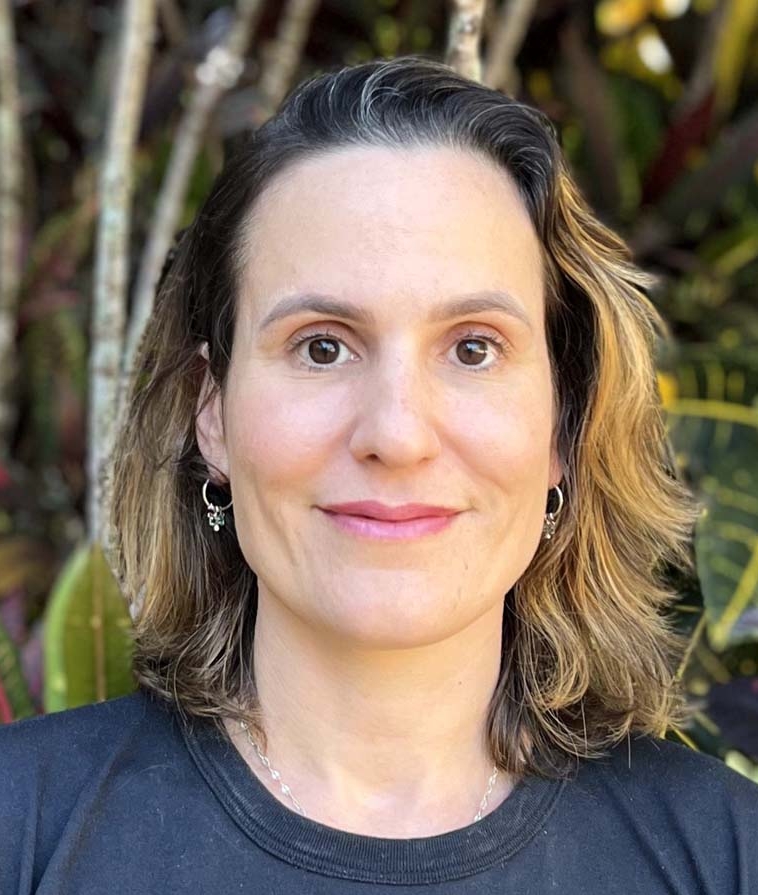
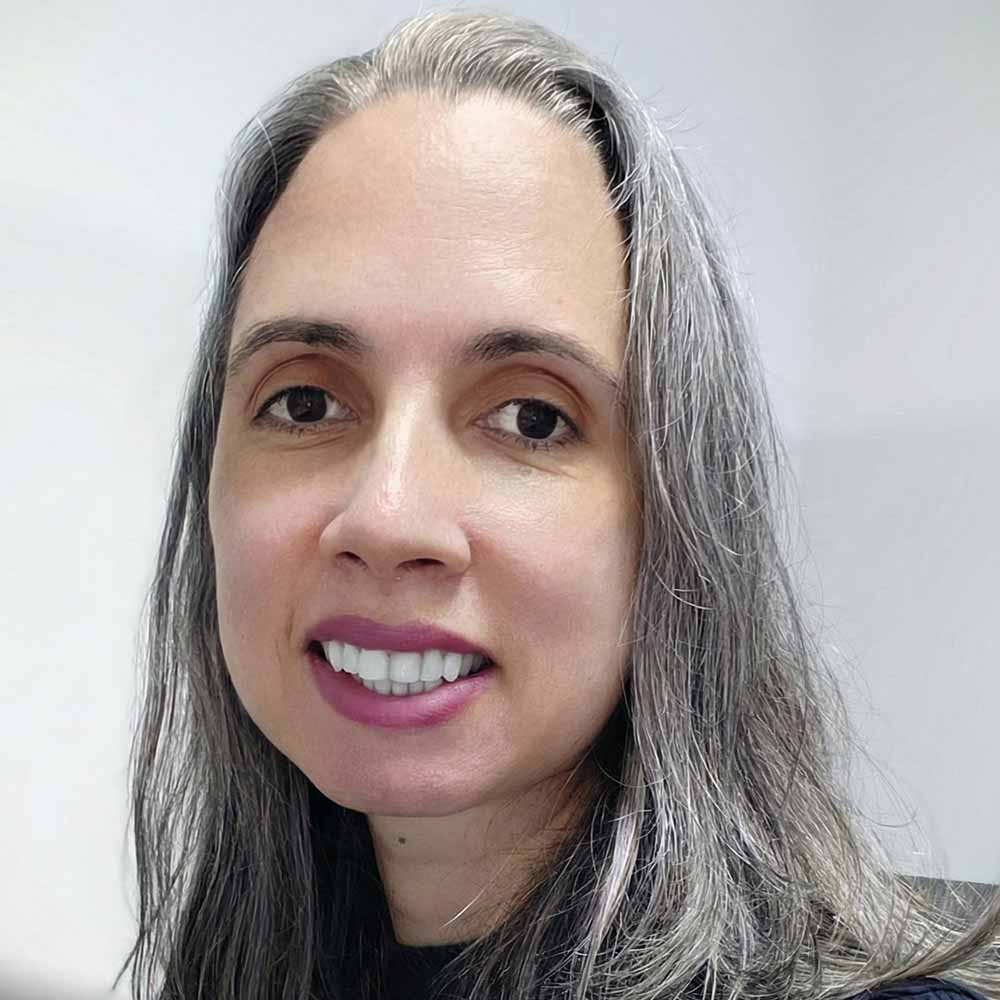
Romina Barrozo

Senior Researcher CONICET Instituto de Biodiversidad, Biología Experimental y Aplicada, CONICET - UBA, Departamento Biodiversidad y Biología Experimental, Facultad Ciencias Exactas y Naturales, Universidad de Buenos Aires, Buenos Aires, Argentina. PhD in Biological Sciences from the Universidad de Buenos Aires, Argentina (2004), she delved into the realm of chemical ecology in hematophagous insects. Postdoctoral fellow at the Institut de Recherche sur la Biologie de l’Insecte and the Institut National de la Recherche Agronomique in France (2004-2009). Since 2010, she has a position as a senior researcher at the National Research Council of Science and Technology (CONICET), affiliated with the Universidad de Buenos Aires, Argentina. Her research focuses on the integrative study of the sensory systems -olfaction and taste- in blood feeders, spanning from sensory input to behavioral output. Her approach combines electrophysiology, neuroanatomy, genetics, and behavior to unravel how insects decode sensory information, integrate internal physiological states, process the information in the brain, and ultimately translate these into specific behaviors driven by chemical cues. One of her goals is to uncover innovative and complementary approaches that can minimize interactions between insect vectors and humans, thereby reducing the transmission of deadly vector-borne diseases.

Maria Fernanda Peñaflor (Brazil)

Vice President

vicepresident@alaeq.org

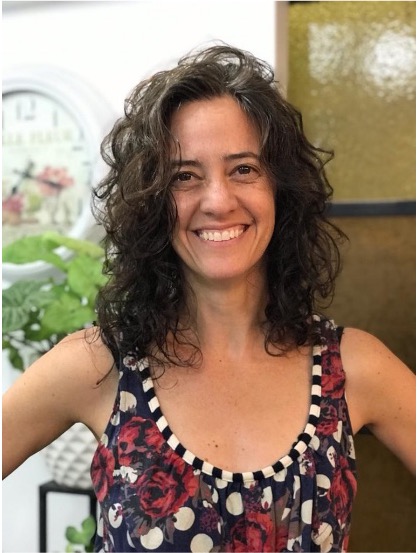
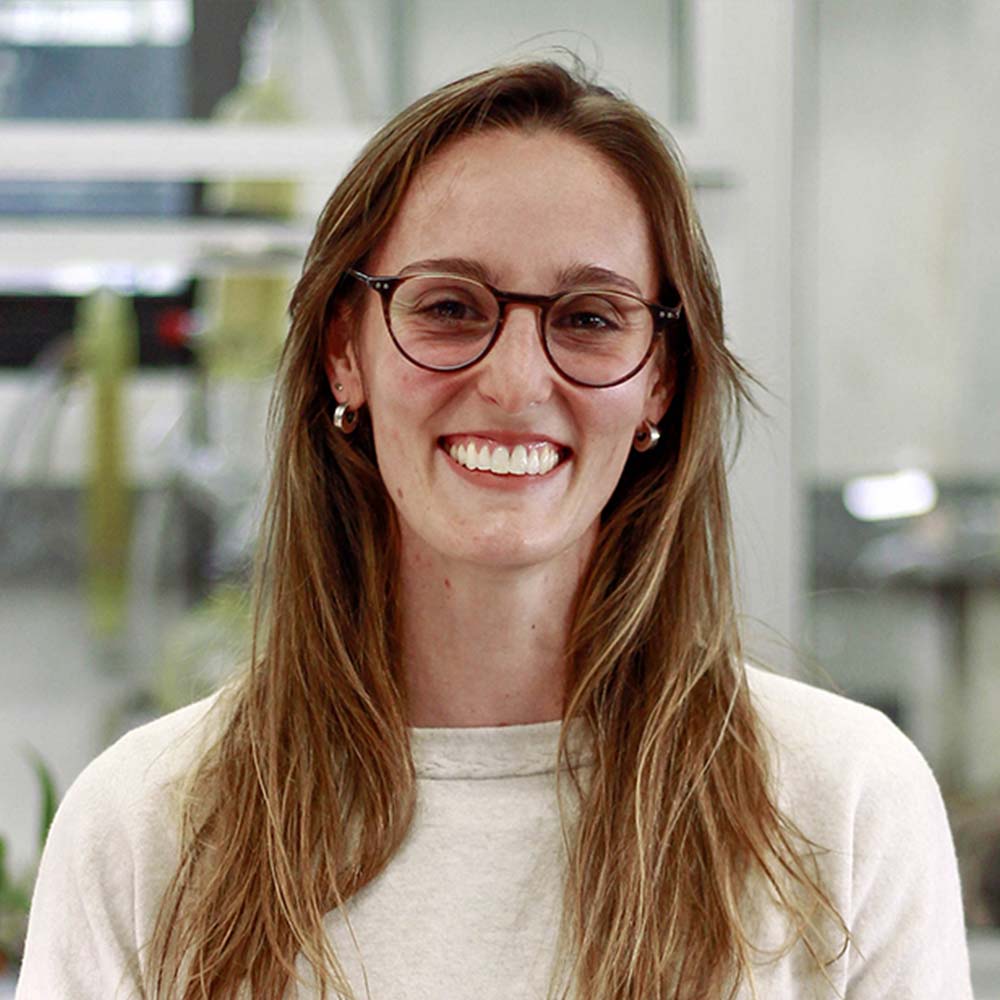
Ma Fernanda Peñaflor

Peñaflor is a permanent faculty member at the Federal University of Lavras (UFLA), Brazil, where she leads the Chemical Ecology of Plant–Insect Interactions Laboratory (LEQIIP) and teaches Entomology and Chemical Ecology at both undergraduate and graduate levels. Maria Fernanda has served both International Society of Chemical Ecology (ISCE) and the Latin American Association of Chemical Ecology (ALAEQ) as councilor for four years. She is Associate Editor of Journal of Applied Ecology (BES), PLOS ONE, Journal of Plant Diseases and Protection and Entomological Communications (SEB) and also acts as a consultant for national and international funding agencies. She has authored around 60 peer-reviewed papers, most of which directly related to Chemical Ecology, and maintains an active network of international collaborations. .

Patricia Carina Fernández (Argentina)

Secretary

secretary@alaeq.org

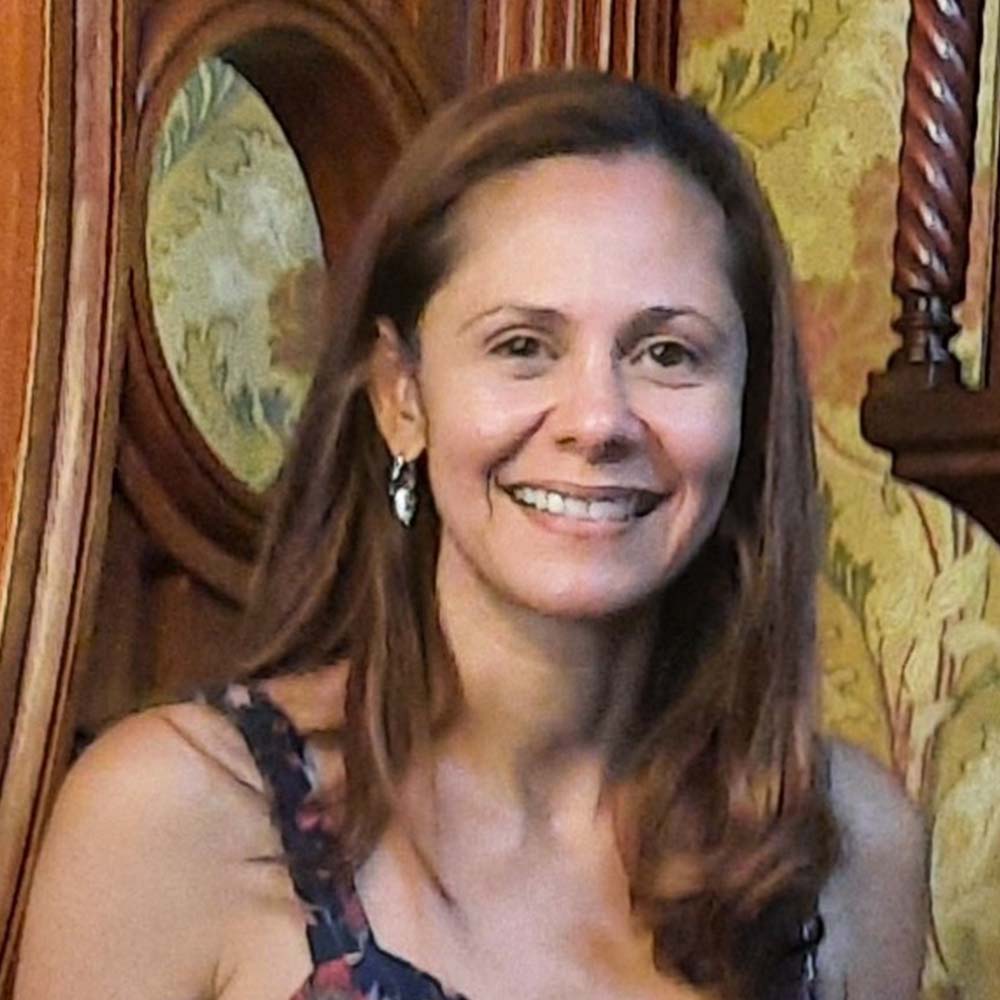
Patricia Fernandez

.Independent Researcher at CONICET – Assistant Professor, CIHIDECAR-CONICET and Faculty of Agronomy, University of Buenos Aires (UBA), Buenos Aires, Argentina I hold a Ph.D. in Biological Sciences from the University of Buenos Aires. In 2004, I completed a postdoctoral fellowship at the Free University of Berlin under the supervision of Dr. Monika Hilker and Dr. Torsten Meiners, where I was trained in techniques for the collection and analysis of plant and insect volatiles. Subsequently, I carried out a postdoctoral fellowship with Dr. Brian Smith at Arizona State University, where I specialized in imaging techniques for recording neuronal activity in insects. Throughout my career, I have undertaken several scientific research visits to acquire specialized methodologies relevant to my field. I received training in internationally recognized laboratories, including the Max Planck Institute for Chemical Ecology in Jena with Dr. Jonathan Gershenzon, the University of Wisconsin with Dr. Rick Lindroth, and the USDA Center for Medical, Agricultural and Veterinary Entomology in Gainesville with Dr. Peter Teal. I was awarded both Fulbright and DAAD fellowships. Since 2009, I have been based in Argentina, where I lead the Chemical Ecology Laboratory at the Faculty of Agronomy, University of Buenos Aires. Our laboratory serves as a reference center for researchers and students from institutions across Argentina who seek to collect and analyze volatile compounds from a wide range of organisms. My research focuses on the chemical ecology of plant–insect interactions and how these interactions are modified by the presence of microorganisms, with particular emphasis on native species and those of economic importance. Our work combines both field and laboratory approaches. We employ olfactometry techniques to investigate insect orientation toward host plants and analyze the specialized plant metabolites potentially involved in these interactions. We also study the effects of different symbiotic associations on plant volatile production and their consequences for plant–insect interactions. In addition, we develop agroecologically based strategies for ant management. My particular interest lies in understanding how plant chemistry structures herbivore communities and how these relationships are influenced by environmental variables associated with climate change.

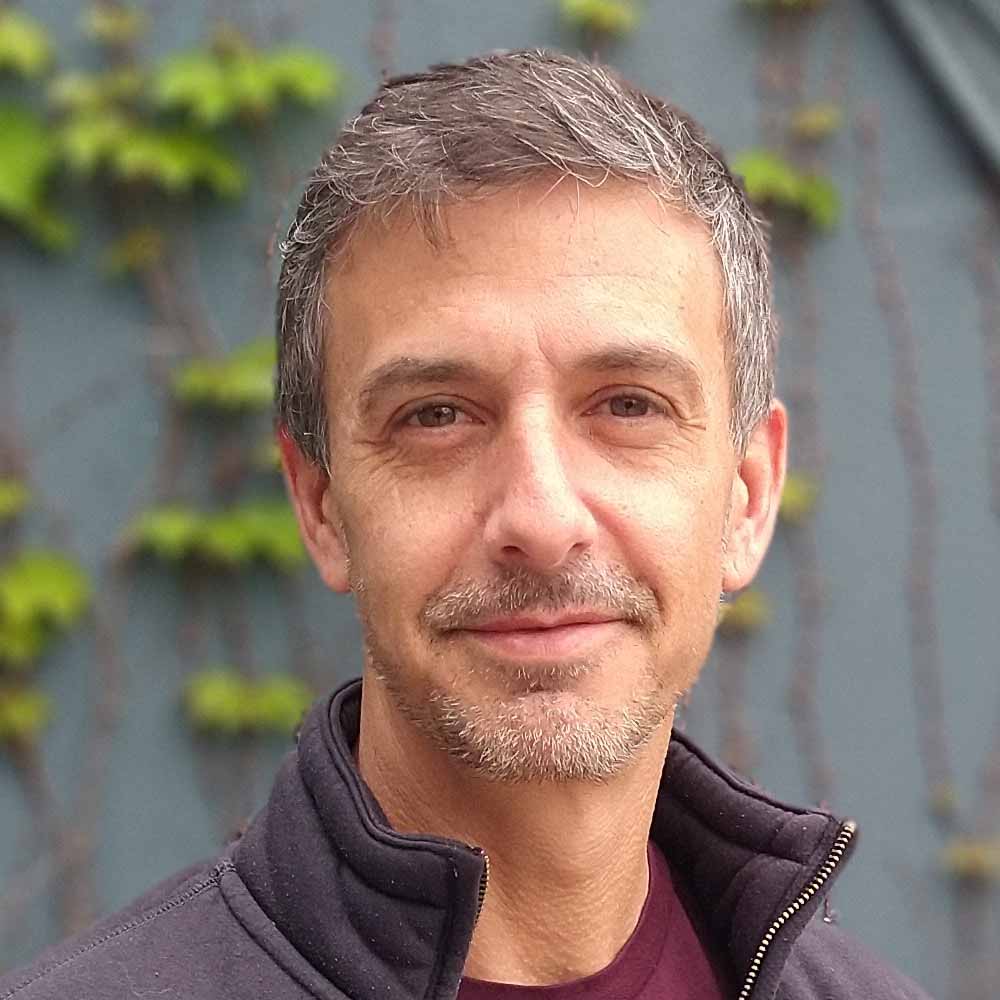
Andrés González (Uruguay)

Treasurer

treasurer@alaeq.org

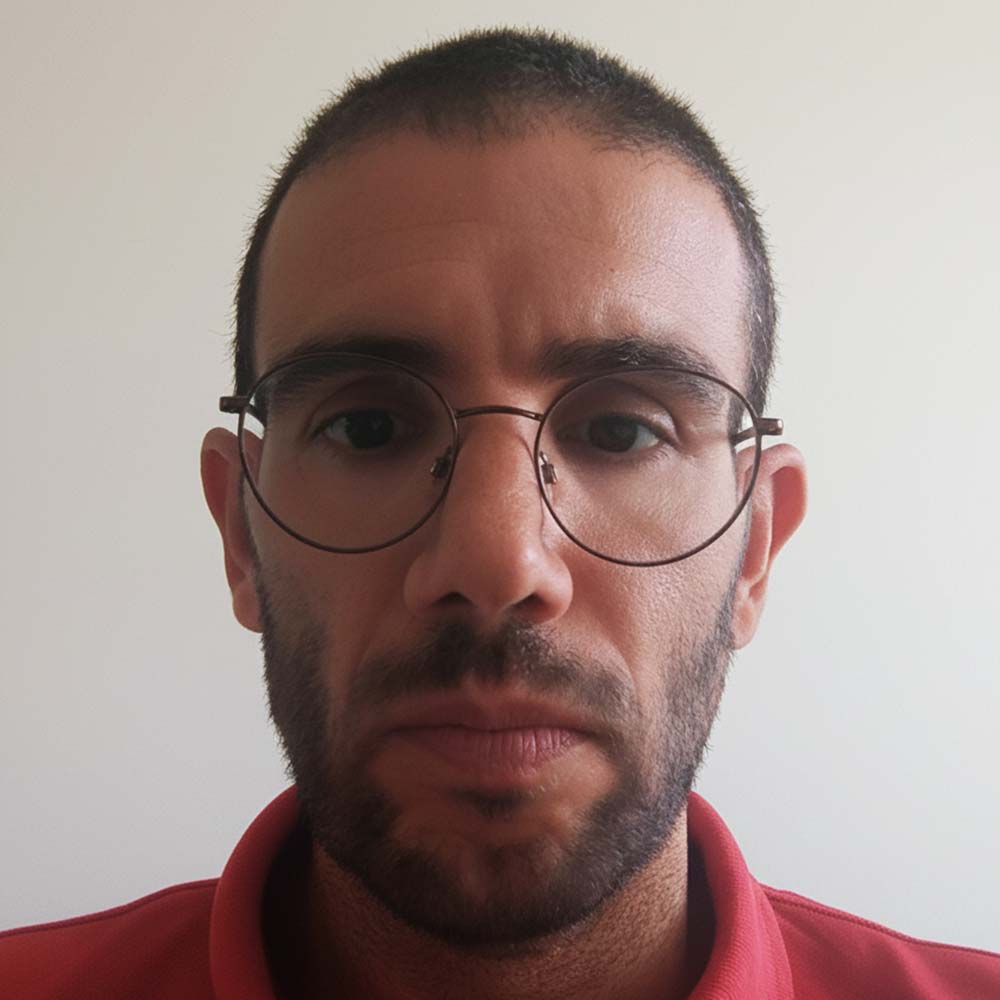
Raul Laumann (Brazil)

Past President

Councilors

Jan Bergmann (Chile)

[2023-2027]

Jan Bergmann

Full Professor at the Institute of Chemistry, Pontifical Catholic University of Valparaíso, Chile, where he leads the Chemical Ecology Laboratory (LEQ). Research at the LEQ focuses on the identification and synthesis of insect- and plant-derived semiochemicals. The compounds studied include, on one hand, pheromones of agricultural and forest pest insects, with the aim of developing pheromone-based pest management strategies. On the other hand, the LEQ is involved in projects investigating the ecological and evolutionary relationships of native Chilean plant species, as well as applied research aimed at enhancing the ecosystem service of pollination. I have been involved with the Latin American Association of Chemical Ecology (ALAEQ) since its inception as a founding member and had the honor of serving as its first President. I have participated in all ALAEQ congresses and co-organized the Fifth ALAEQ Congress, held in Valparaíso in 2018. I would be delighted to continue contributing to the Executive Committee of ALAEQ to support the continued growth and strengthening of our community. I believe that special emphasis should continue to be placed on supporting early-career scientists whenever possible, as this has been one of the defining principles of ALAEQ since its foundation.

Diego Magalhães (Brazil)

[2023-2027]

Diego Magalhães

Postdoc. Luiz de Queiroz College of Agriculture, University of São Paulo He is a chemical ecologist with over a decade of expertise in the chemical ecology of plant-insect interactions. His academic journey commenced with a Bachelor's degree in Biology from the Catholic University of Brasília. Then, he pursued further education with an MSc in Ecology, followed by a PhD in Zoology, both successfully attained at the University of Brasília. His doctoral research centred on the role of olfaction in host-location by the cotton boll weevil, Anthonomus grandis, encompassed laboratory studies conducted in Brazil and the UK, along with field studies in his home country. In 2016, Diego joined EMBRAPA Genetic Resources and Biotechnology as a post-doctoral researcher. There, he explored agriculturally important insects, delving into their intricate interactions with host plants and natural enemies. His primary aim was to develop innovative interventions that could improve pest management practices, ultimately reducing the reliance on pesticides. Diego joined Rothamsted Research in 2019, achieving a fellowship position. At Rothamsted, his focus shifted towards plant-insect belowground interactions, developing novel methods to isolate natural products with potent semiochemical properties from the rhizosphere. Presently, Diego assumes the role of a post-doctoral researcher at the University of São Paulo, leading research in the field of plant-microbe-insect interactions. Employing a comprehensive lab-to-field approach, he uses well-established laboratory techniques to decipher semiochemical bioactivity, followed by field experiments to validate and confirm these findings on a larger, practical scale. Diego's profound interest in agriculture stems from its pivotal role in securing global food security. Driven by a commitment to environmental sustainability, he continually explores opportunities to implement more efficient and sustainable farming practices, aiming to minimize the ecological footprint of modern agriculture.

Guillermo Rehermann (Uruguay)

[2023-2027]

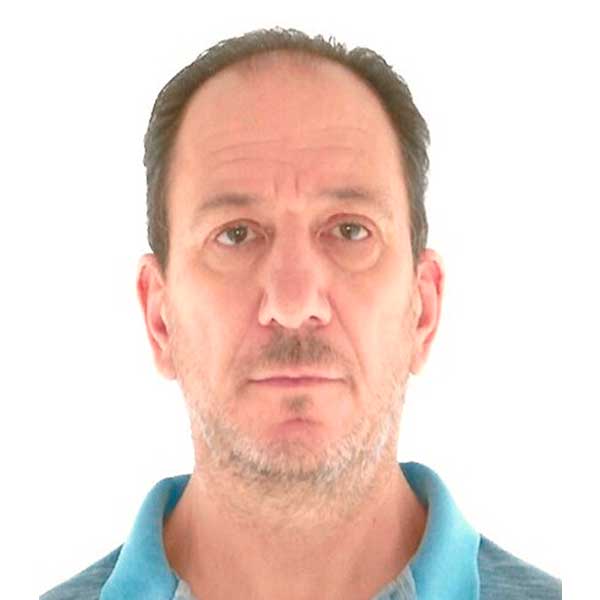
Guillermo Rehermann

Guillermo Rehermann’s fascination for chemical ecology began when, as an undergraduate student, joined the very first ALAEQ meeting in 2010 in Uruguay. Since then he got ‘trapped’ in the field of chemical ecology. Guillermo received a BS and MS degree from Universidad de la República (UdelaR), Uruguay, in Biology, and Ecology & Evolution, respectively, based at the Chemical Ecology Laboratory (LEQ). Then, he obtained a PhD in Chemical Ecology from the Swedish University of Agricultural Sciences (SLU), Sweden. Guillermo is interested in understanding how chemical substances mediate and modulate insect communication and insect-microbe-plant interactions, with special focus on integrated pest and pollinator management. He has been member of ALAEQ since 2012 and over the years, Guillermo has had the opportunity to interact with and learn from well-known scientists, many of them pioneers in establishing Chemical Ecology in Latin America. Besides that, he has been involved in multidisciplinary projects with collaborators outside the continent. Guillermo´s aim is to continue promoting Chemical Ecology in Latin America, engaging networking and raising awareness of its importance in our society.

Camila Davila (Argentina)

[2026-2030]

Carla Fernanda Favaro (Brazil)

[2026-2030]

Carla Fernanda Fávaro

She is a Full Professor at the Universidade Estadual de Santa Cruz (UESC), Ilhéus - Bahia, Brazil, where she teaches and conducts research in Chemistry and Plant Production graduate programs. She earned her Ph.D. in Chemistry (Organic Chemistry) from the Universidade Federal do Paraná (UFPR, 2012), including a research internship at the University of California, Riverside (USA). She completed postdoctoral studies at UFPR and at the Universidade de São Paulo (ESALQ/USP), focusing on Agricultural Entomology and Chemical Ecology. Her research explores Chemical Ecology, Agricultural Entomology, and Sustainable Pest management, emphasizing the identification and synthesis of semiochemicals for biological control and pollinator management. Through her interdisciplinary approach, she bridges organic chemistry and agroecology to design environmentally friendly strategies for crop protection. Professor Fávaro has led and collaborated in national projects supported by CNPq, CAPES, and private industry, promoting the transfer of academic innovation to practical agricultural solutions. Her work on the cacao agroforestry system (cabruca) in southern Bahia integrates biodiversity conservation with local socioeconomic development, contributing to climate-resilient and sustainable farming practices. She has also driven the discovery of bioactive compounds and patented technologies for biological control, reinforcing her commitment to innovation, environmental stewardship, and regional development through science and education.

Maria Eugenia Amoros (Uruguay)

[2026-2030]

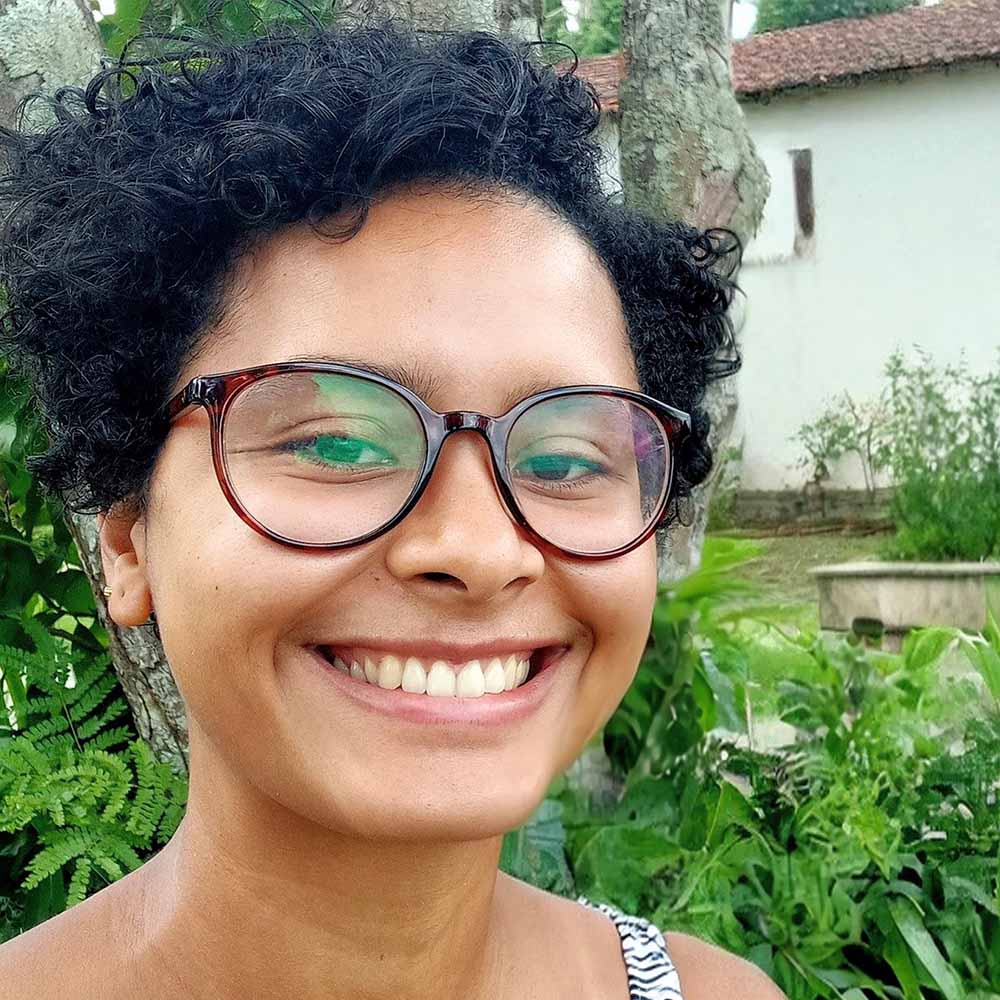
Ma Eugenia Amoros

My name is María Eugenia Amorós, and I am a researcher at the Chemical Ecology Laboratory, Faculty of Chemistry, Universidad de la República, Uruguay, where I hold a permanent position. My Bachelor’s degree is in Chemistry (2013) and I completed my Master’s and Ph.D. studies in Agricultural Sciences (2014–2022), focusing on the development of low-impact, chemical ecology–based pest management strategies for major citrus pests in Uruguayan citriculture. More recently I conducted a postdoctoral research on controlled-release semiochemical dispensers for agriculture-apiculture and forestry systems. My research is centered in contributing to the development of innovative, environmentally responsible pest management strategies to agricultural systems. This research combines aspects of chemistry, entomology, and agronomy to advance sustainable pest control technologies. I have participated in several national research projects, both as a collaborator and as principal investigator, and contributed to interdisciplinary teams involving academic institutions and the agricultural sector. I also did international internships and collaborative research at the University of Florida and University of Illinois (USA) and Universidad de Zaragoza (Spain). I have published academic and extension articles related to my research as author and co-author. I have also presented my work in national and international academic meetings. In addition to my research, I teach biology and chemical ecology courses at the Faculty of Chemistry and participate in national-governmental extension work groups aiming at developing management plans for the Asian citrus psyllid, Diaphorina citri, and palm pest Rhynchophorus ferrugineus, the red palm weevil, in Uruguay. I have been actively participating in ALAEQ conferences since 2016, and I would be honored to contribute to the ALAEQ Council. I am eager to support the advancement of Chemical Ecology in Latin America and collaborate with fellow professionals to foster its growth in the region.

Christian S Araujo Da Silva Torres (Brazil)

[2026-2030]

Christian S. Araújo da Silva Torres

She is professor at the Universidade Federal Rural de Pernambuco, Brazil holds a bachelor’s degree in agronomy (2001) from UFRPE, a master’s degree in entomology (2003) from UGA/USA, and a PhD in agricultural entomology (2010) from UFRPE. My research over the years has focused on the aspects of insect behavior and chemical ecology of pests and biological control agents and how these factors could affect the application of integrated pest management. I teach on a regular basis the classes of Agriculture Entomology and Biological Control for undergraduates and the courses of Insect Behavior and Insect Plant Interaction for graduate students at the Entomology Graduate Program at UFRPE. I have published 62 scientific papers, 7 book chapters, and 48 abstracts in national and international congress. I am a recipient of the CNPq productivity grant, have worked as an ad hoc consultant for funding agencies such as FACEPE and CNPq, and have been a member of the editorial committee for the Neotropical Entomology (Springer) since 2014. I have collaborated with scientists in different national (EMBRAPA, UNEAL, UFAL, ESALQ, IFAM, UFVJM) and international (UCR, Rothamsted Research, Universidad de Magdalena) institutions in many projects. I have also contributed to the formation of 35 students, consisting of 11 undergraduates and 24 graduate students, as the main advisor or co-advisor. Nowadays, I have a group of three undergraduate and four graduate students conducting scientific research in my laboratory.

Enggel Silva Do Carmo (Brazil)

[2026-2030]

Enggel Silva do Carmo

She is a postdoctoral researcher in Entomology at the Federal University of Lavras (UFLA), Brazil. Since the beginning of her academic career, she has been fascinated by how chemical cues mediate multitrophic interactions between plants, herbivores, and their natural enemies. Her research integrates chemical ecology, behavioral studies, and data science to address ecological questions with applications to sustainable pest management. Enggel holds a PhD in Entomology from UFLA, supervised by Prof. Maria Fernanda Peñaflor, where she investigated how the identity and density of phloem-feeding herbivores influence plant volatile-mediated defenses. During her doctoral studies, she spent nine months at Rothamsted Research (UK) under the supervision of Dr. John Caulfield, investigating belowground-aboveground chemical signaling in crop systems. She also holds an MBA in Data Science and Analytics (USP/ESALQ), which she applies to enhance the quantitative understanding of ecological interactions. Since her undergraduate studies, Enggel has been working in the field of Chemical Ecology, focusing on interspecific interactions mediated by allelochemicals and natural enemies. Her research has been developed through collaborations with national (UFRPE, Embrapa-CENARGEN, USP, UFV) and international institutions, including Max Planck Institute for Chemical Ecology (Germany), and Rothamsted Research (UK). Her work has resulted in publications in peer-reviewed journals such as Bulletin of Entomological Research and Current Opinion in Insect Science. She was recognized with the ALAEQ Student Award (2023) and the ALAEQ/ISCE Travel Award (2024), and delivered oral presentations of her research at both conferences, reflecting her active engagement with the international chemical ecology community. At UFLA, she collaborates in mentoring undergraduate and graduate students and contributes to projects linking ecological chemistry and sustainable agriculture. She is also an ad-hoc reviewer for international journals and an advocate for open, collaborative science. Enggel aims to contribute to the ALAEQ Council by strengthening international cooperation, supporting early-career researchers, and promoting interdisciplinary initiatives in chemical ecology across Latin America.

Diego Fernando Segura (Argentina)

[2026-2030]

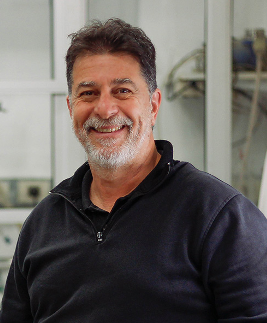
Diego Segura

He earned his Licentiate degree (equivalent to MSc) and PhD in Biological Sciences from the University of Buenos Aires (UBA, Argentina) in 2001 and 2007, respectively. Since 2008, he has been a Researcher at the National Scientific and Technical Research Council of Argentina (CONICET), where he currently holds the position of Investigador Principal (Principal Researcher). He is also a Researcher at the National Institute of Agricultural Technology (INTA, Category 9-27). Dr. Segura’s academic appointments include Associate Professor positions at the School of Veterinary Medicine and the School of Agronomy of Universidad del Salvador, where he teaches Genetics and Animal Breeding. He previously served as a Teaching Assistant in the Department of Ecology, Genetics and Evolution at UBA (2004–2015). His research focuses on the behavioral ecology, chemical communication, and integrated management of fruit fly pests, combining fundamental and applied approaches to develop sustainable control strategies. He has published 78 peer-reviewed papers and presented over 200 communications at scientific meetings. Dr. Segura has extensive experience in mentoring early-career scientists, having supervised ten graduate theses (five completed and five ongoing). He has also been actively involved in editorial and peer-review activities, serving as Associate Editor for Entomologia Experimentalis et Applicata and Frontiers in Insect Science, and as Review Editor for Frontiers in Physiology (Section: Invertebrate Physiology). He previously served as Subject Editor for Bulletin of Entomological Research and Neotropical Entomology. In addition to his research and academic work, Dr. Segura has served as an expert consultant for the International Atomic Energy Agency (IAEA) on seven occasions, contributing to international initiatives for environmentally friendly pest management.

Jose Manuel Latorre Estivalis (Argentina)

[2026-2030]

José Manuel Latorre-Estivalis

My research focuses on understanding the molecular mechanisms underlying insect behavior and sensory plasticity. I am particularly interested in identifying the genes and neural processes that shape behavioral adaptations, such as host-seeking and feeding in disease vectors, and learning and communication in social insects. By integrating transcriptomics, functional genomics, and behavioral approaches, my work aims to link molecular neurobiology with evolutionary and ecological contexts. I earned my PhD in Pharmacy from the University of Valencia (Spain, 2010), where I studied the risk of malaria re-emergence in Southern Europe. After my doctoral studies, I joined Instituto René Rachou – FIOCRUZ (Brazil) as a postdoctoral researcher, investigating the molecular basis of sensory modulation and host-seeking behavior in triatomines, vectors of Chagas disease. In 2015, I moved to Argentina, joining the Laboratory of Insect Neurobiology at the Centro de Estudios Genómicos Regionales in La Plata. Since 2018, I have been a CONICET researcher. From 2020 to 2025, I worked at the Institute of Physiology, Molecular Biology and Neurosciences (IFIBYNE, UBA-CONICET), within the Laboratory of Social Insects, expanding my research toward the molecular and behavioral bases of learning and sensory plasticity in honeybees and stingless bees. Since September 2025, I have been part of the Laboratory of Insect Neuroethology at IBBEA, where my research continues to explore the molecular foundations of insect behavior, mainly in kissing bugs and mosquitoes. Ultimately, my goal is to identify the molecular players that regulate insect behavior and neural plasticity. These findings may provide the foundation for novel strategies to manipulate insect behavior, contributing both to the control of vector-borne diseases and the conservation of beneficial species.

Note

The elections for Vice-President and Councilors are held online every two years, prior to our biennial meetings. Calls for nominations are sent in advance. The elected Vice-President is designated President in the following term. Councilors are elected for four-year terms.

Past Board members

President:

  • Jan Bergmann (Chile) (2009 – 2012)
  • Andrés González (Uruguay) (2012 – 2014)
  • Pablo Guerenstein (Argentina) (2014 – 2016)
  • Paulo Henrique G. Zarbin (Brazil) (2016 – 2018)
  • Carmen Rossini (Uruguay) (2018 – 2021)
  • Marcelo Lorenzo (Brazil) (2021 – 2023)
  • Raul Laumann (Brazil) (2023-2025)

Secretary:

  • Maria Fátima das Graças Fernandes da Silva (Brazil) (2009 – 2012)
  • Raúl Laumann (Brazil) (2012 – 2014)
  • Marcelo Lorenzo (Brazil) (2014 – 2018)
  • Romina Barroso (Argentina) (2018 – 2023)
  • Maria Fernanda Peñaflor (Brazil) (2023-2025)

Treasurer:

  • Cristian Villagra (Chile) (2009 – 2014)
  • Carmen Rossini (Uruguay) (2014 – 2016)
  • Andrés González (Uruguay) (2016 – present)

Councilors:

  • Maria Sol Balbuena (Argentina)
  • Isable Ortega Insaurralde (Argentina)
  • Hernán Federico Groba (Uruguay)
  • Diogo Montes Vidal (Brazil)
  • Wilson Angel Barros (Chile)
  • José Maurício Simões Bento (Brazil)
  • João Batista Fernandes (Brazil)
  • Pablo Guerenstein (Argentina)
  • Martin Aluja (México)
  • Miguel Borges (Brazil)
  • Clara Beatriz Hoffmann Campos (Brazil)
  • Alicia Lorenzo Figueiras (Argentina)
  • Carmen Rossini (Uruguay)
  • Nancy Barreto (Colombia)
  • Paola Gonzalez-Audino (Argentina)
  • Walter Leal (USA)
  • Marcelo Lorenzo (Brazil)
  • Paulo Henrique G. Zarbin (Brazil)
  • Maria Carolina Blassioli Moraes (Brazil)
  • Eduardo Fuentes (Chile)
  • Eraldo Lima (Brazil)
  • Romina Barrozo (Argentina)
  • Alicia Lorenzo Figueiras (Argentina)
  • Delia Pinto-Zevallos (Brazil)
  • Francisco Dillon (Argentina)
  • Maria Fernanda Peñaflor (Brazil)
  • Jorge Zavala (Argentina)
  • Martin Pareja (Brazil)
  • Paula Altesor (Uruguay)
  • Marcia González-Teuber (Chile)
  • Jose Manuel Latorre Estivalis (Argentina)

webmaster@alaeq.org